You’re tired, it’s late, and chicken is what’s in the fridge. Easy chicken dinner recipes come down to a hot pan or oven, simple seasoning and a thermometer to check doneness.
If you are still building your kitchen confidence, our guide to easy recipes for beginners covers the basics that these dinners build on.
| Item | Value |
|---|---|
| Safe minimum temperature for poultry | 165°F |
| Older federal guidance for whole chickens | 180°F |
| Older federal guidance for breasts | 170°F |
| Higher temperature some cooks choose for thigh meat | 180°F |
| Cornell Cooperative Extension chart last updated | October 7, 2024 |
These figures come from CIDRAP’s report on a USDA announcement and a Cornell Cooperative Extension chart. Guidance can change, so check the sources before you rely on them.
What makes a chicken dinner easy on a weeknight?
An easy chicken dinner has few steps, one main pan or tray, and ingredients you can swap without the recipe falling apart. Forgiving flavors help too, because a simple mix of salt, pepper, garlic and a favorite spice goes a long way.
Look for these traits when you choose a recipe:
- Everything cooks in a single pan, tray or pot, so cleanup stays short.
- The chicken is cut thin or into pieces, so it cooks quickly and evenly.
- Vegetables, grains or tortillas finish at the same time as the meat.
- Leftovers can turn into lunch the next day.
The safe temperature rule for chicken dinners
As of the USDA announcement reported by CIDRAP on April 5, 2006, cooking poultry to 165°F makes it safe to eat. The USDA said higher heat may still suit your taste or the look of the dish, but safety does not require it. You can read the details in the CIDRAP report.
The announcement was meant to clear up older advice. Federal recommendations at that time listed 180°F for whole chickens and 170°F for breasts, and the USDA wanted one key safety number instead.
Some people still cook thighs longer for texture. The advisory committee’s own guidance mentioned 170°F for breast meat and 180°F for thigh meat to remove the pink appearance and rubbery texture, as the same report explains.
Color alone is not a safe test. A Cornell Cooperative Extension page, last updated October 7, 2024, tells cooks to use a food thermometer because you can’t tell whether meat is safely cooked by looking at it.
Weeknight chicken methods that need little effort
None of these methods needs exact quantities. Season to taste, keep the pieces a similar size, and let a thermometer tell you when the chicken is done.
Sheet-pan chicken and vegetables
This is the most hands-off dinner on the list. Toss chicken pieces and chopped vegetables with oil and seasoning, spread them out so they roast instead of steam, and bake until the chicken passes the thermometer test.
- Heat the oven and line a rimmed tray if you want easy cleanup.
- Coat the chicken and sturdy vegetables such as potatoes, carrots or broccoli in oil and spices.
- Spread everything in a single layer with a little space between pieces.
- Roast, check the thickest piece of chicken, and rest it briefly before serving.
Skillet chicken with a quick pan sauce
Slice chicken breasts into thinner cutlets so they cook fast. Brown them in a hot skillet, then pour in a splash of broth, a squeeze of lemon and a spoonful of mustard or cream to make a pan sauce from the browned bits.
Oven-baked chicken thighs
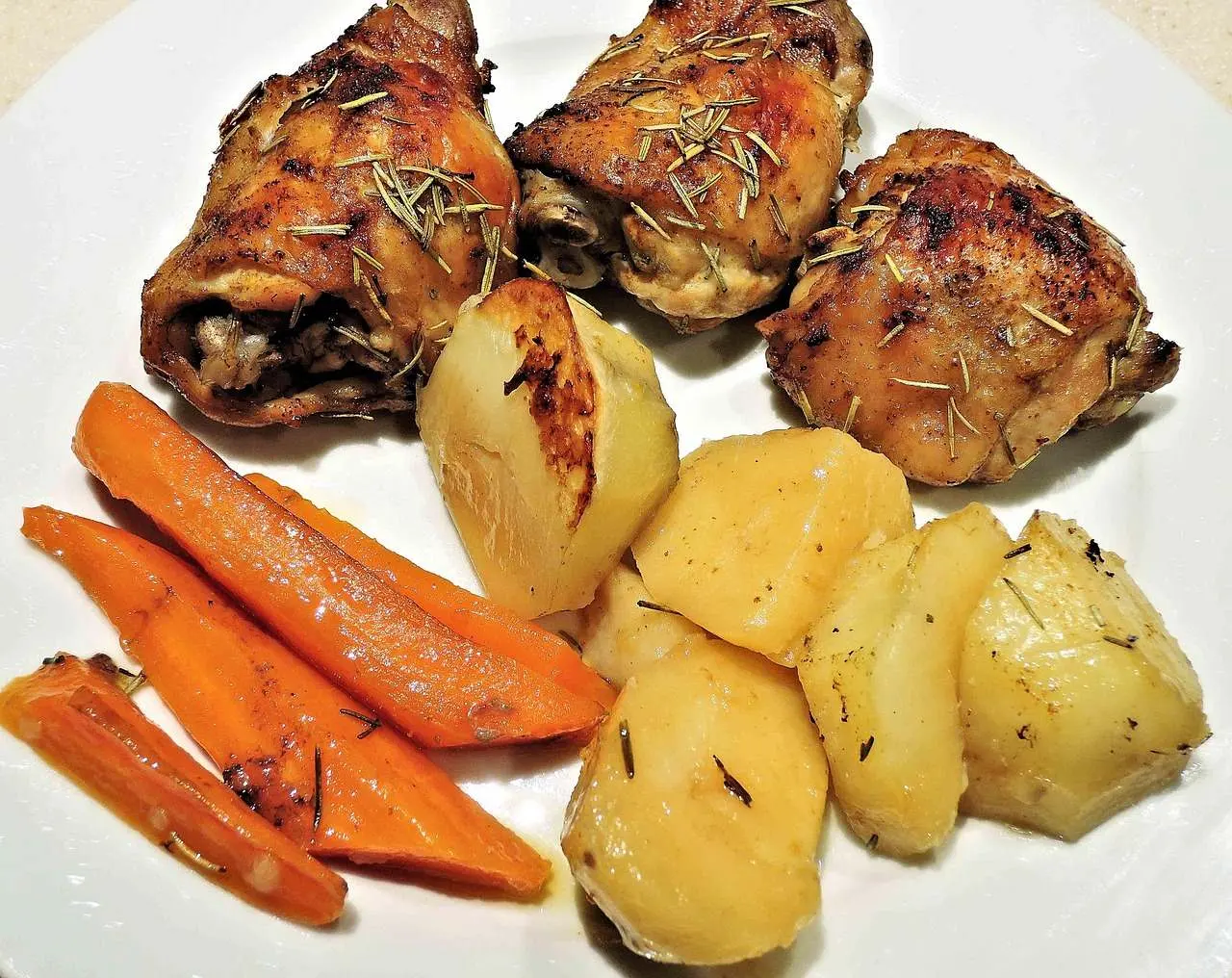
Thighs are harder to dry out than breasts, which makes them a good pick if you are nervous about overcooking. Rub them with paprika, garlic and a little oil, then bake them skin-side up until the skin browns and the meat is cooked through.
Chicken stir-fry or fried rice
Small pieces of chicken cook in minutes, so have the vegetables and sauce ready before the pan gets hot. Day-old rice works best for fried rice because the grains stay separate, and a splash of soy sauce and a beaten egg finish it.
Shredded chicken tacos or wraps
Simmer chicken in a pot with salsa or taco seasoning until it is cooked through, then shred it with two forks. Spoon it into warm tortillas with shredded lettuce, cheese and lime for a build-your-own dinner that suits picky eaters.
Using a thermometer without slowing dinner down
A food thermometer is the one tool that makes chicken easy to get right. The Cornell page advises using the chart together with a food thermometer so meat, poultry and seafood reach a safe minimum internal temperature, and you can find that advice on the Cornell Cooperative Extension chart. This page has no affiliate links, and every recipe here works without buying anything new.
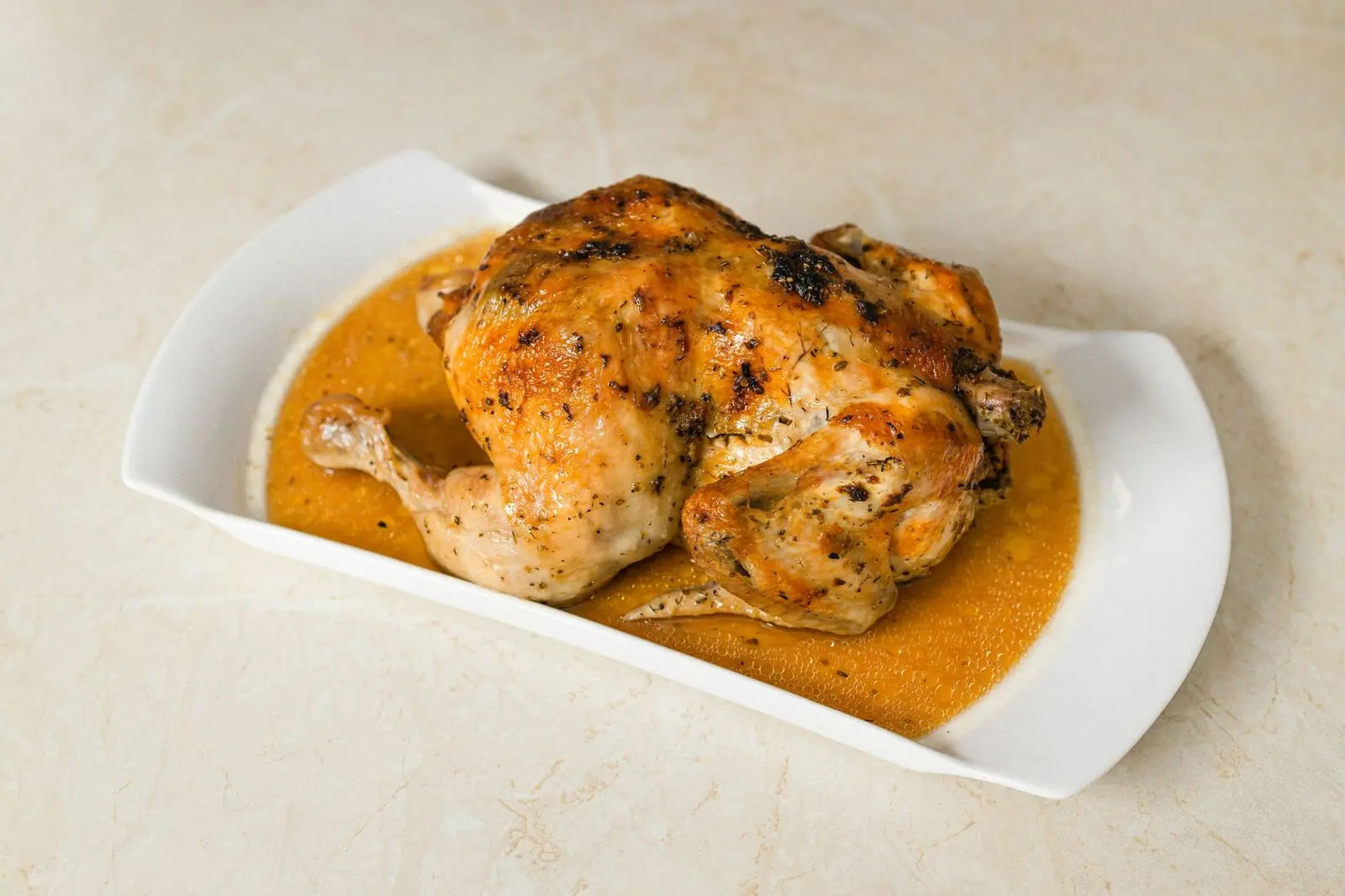
Push the probe into the thickest part of the chicken and keep it away from bone. Check a few spots if the pieces are uneven, and keep cooking if the reading falls short.
Resting helps as well. According to the same Cornell Cooperative Extension page, during the rest time the meat’s temperature stays constant or keeps rising, which destroys harmful germs.
Breaded and frozen chicken
Browned coating can fool you. The USDA asked its advisory committee for advice after people in Minnesota and Michigan got Salmonella infections from breaded chicken breasts that looked cooked but were not, according to CIDRAP.
The same report says frozen products need longer cooking. It also says microwaving raw, frozen poultry products is not advisable unless the package gives detailed instructions for checking that the product has reached the recommended temperature.
Plan ahead so the next dinner is even easier
Cook a double portion of plain chicken on a calm evening and you have a head start on the busy ones. Our easy meal prep recipes show how to batch ingredients so weeknights take less thinking.
When you want a change from rice or potatoes, slice leftover chicken into a quick pasta. Our pasta recipes for dinner give you sauces that pair well with cooked chicken.
Keep a short pantry list of things that rescue a dinner:
- Canned tomatoes, broth and salsa for sauces and simmered chicken.
- Rice, tortillas or pasta as a fast base.
- Garlic, lemon and a few dried spices for flavor.
- Frozen vegetables that go straight onto a sheet pan or into a stir-fry.
Frequently asked questions
Can I tell chicken is done by its color?
Show answer
No. Cornell Cooperative Extension says looks cannot show whether meat is safely cooked, so use a thermometer instead. You can see that guidance on its safe minimum temperature page.
Will chicken breast be dry if I cook it to the safe temperature?
Show answer
It doesn’t have to be. The USDA’s 165°F target, reported by CIDRAP, is a minimum, so pull the chicken off the heat once it reaches that reading instead of letting it keep cooking. Thinner cutlets and a short rest also keep the meat juicy.
Can I cook chicken straight from frozen?
Show answer
Plan for a longer cooking time, because the committee quoted by CIDRAP said frozen starting points need more time. Check the temperature in the thickest part before you serve. Thawing in the fridge ahead of time makes weeknight cooking more predictable.
What should I serve with an easy chicken dinner?
Show answer
Pick a starch and a vegetable that cook alongside the chicken, such as roasted potatoes and green beans on the same tray. A simple salad, rice or warm tortillas also round out the plate without adding steps.