Tired and hungry at six o’clock? Pasta recipes for dinner don’t need a long shopping list: a pot, a pan and a few pantry staples get a hot plate on the table fast. Pick one of the three below and start boiling.
If you’re still learning your way around the stove, our guide to easy recipes for beginners is a good next stop.
| Item | Value |
|---|---|
| Cooked pasta, food-safety class | Potentially hazardous food, needs refrigeration |
| Estimated yearly US food poisoning cases (CDC) | About 76 million Americans |
| Estimated yearly deaths from food poisoning (CDC) | About 5,000 victims die |
| Share of Americans affected yearly (FDA estimate) | As many as one in four Americans |
| Yearly cost of foodborne disease | $6.5 to $35 billion annually |
These figures come from NDSU Extension’s kitchen food safety publication. Estimates like these can change, so check the source before you rely on them.
What you need before you start
Every recipe below uses the same short kit. You can cook all of them without buying anything special, because a plain pot and a frying pan do the job.
- A large pot for boiling the pasta
- A wide pan or skillet for the sauce
- A wooden spoon and tongs (or a fork) for stirring and lifting
- A colander, or a lid held carefully to drain the water
- Dried pasta, olive oil, garlic, salt and black pepper
- Canned tomatoes, a lemon, a hard cheese and a little cream
Start the water first, since it is the slowest step. Then build the sauce while the pasta cooks, so everything finishes together.
Three pasta recipes for dinner
Each recipe serves a hungry household and relies on pantry ingredients. Cook the pasta until it is just tender, following the time on the packet, and keep a mug of the starchy cooking water before you drain.
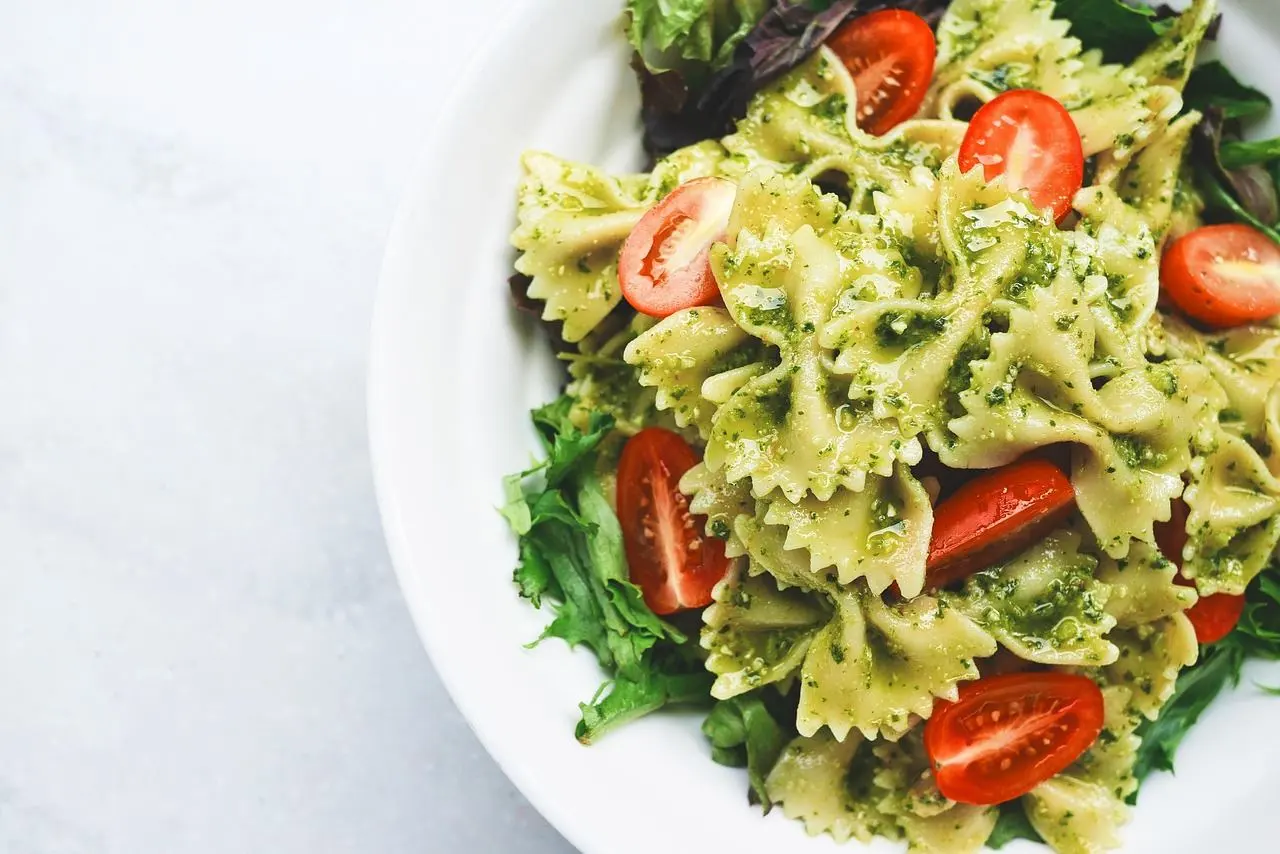
Garlic and olive oil spaghetti
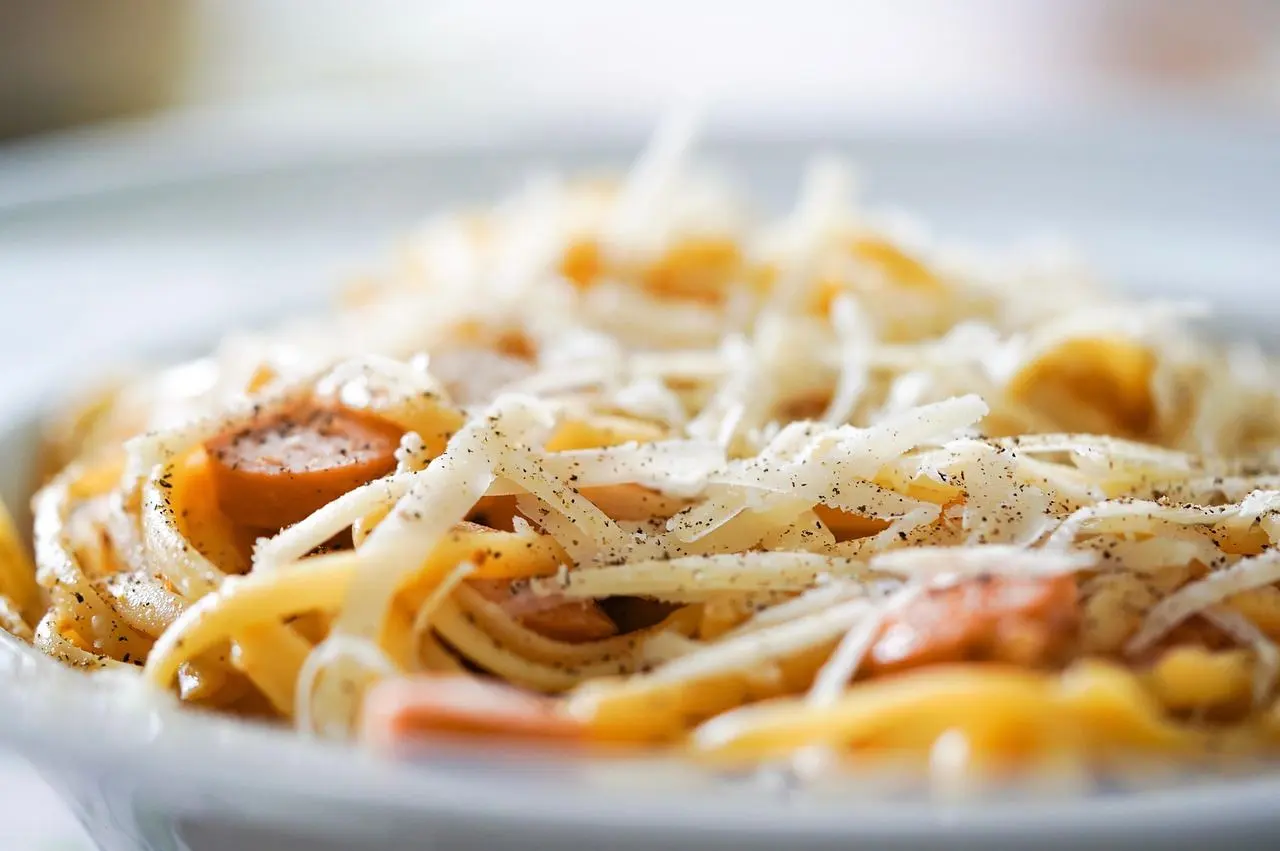
This is the fastest option, and it tastes far better than its short ingredient list suggests. The trick is to keep the garlic gently golden, never brown.
- Boil the spaghetti in well-salted water.
- Warm plenty of olive oil in a pan over low heat and add thinly sliced garlic and a pinch of chilli flakes.
- When the garlic turns pale gold, take the pan off the heat.
- Drain the pasta, toss it in the oil with a splash of cooking water, and finish with black pepper and grated hard cheese.
Pantry tomato penne
Canned tomatoes make a sauce that tastes slow-cooked after only a short simmer. This one suits weeknights with an empty fridge.
- Soften chopped onion and garlic in olive oil until fragrant.
- Add a tin of crushed tomatoes, a pinch of salt and a little dried oregano.
- Simmer while the penne boils, stirring now and then.
- Toss the drained penne through the sauce and add a splash of cooking water if it looks thick.
Creamy lemon pasta with peas
Here a little cream and lemon juice give a bright, silky coat without much work. Use frozen peas so there is no chopping.
- Cook short pasta such as fusilli or shells in salted water, adding the peas for the last minute.
- Warm a little cream in a pan with lemon zest and black pepper.
- Add the drained pasta and peas, then stir in lemon juice and grated hard cheese.
- Loosen with cooking water until the sauce clings to the pasta.
A method that works for any pasta shape
Once you know the pattern, you can improvise with whatever is in the cupboard. Follow these steps in order and the timing mostly takes care of itself.
- Fill the pot generously and bring it to a rolling boil before adding salt and pasta.
- Stir during the first minute so the pieces don’t stick together.
- Taste a piece shortly before the packet time ends; it should be tender with a slight bite.
- Save a mug of cooking water, then drain.
- Finish the pasta in the sauce pan for a minute so the sauce clings.
Skip the rinse unless you are making a cold pasta salad, because rinsing washes away the starch that helps sauce stick.
Easy ways to turn it into a bigger meal
Plain pasta is a fine base, and extra protein or vegetables turn it into a full plate. Stir in sautéed spinach, roasted tomatoes, tinned tuna or white beans near the end of cooking.
If you want meat, you can borrow cooked chicken ideas from our easy chicken dinner recipes and toss the pieces through any sauce above. When you are planning the rest of the day, our healthy breakfast recipes cover the morning meal.
Is leftover pasta safe to keep?
Yes, if you handle it properly. NDSU Extension lists cooked pastas among the “potentially hazardous” foods that belong in the refrigerator, alongside most meats, poultry, fish, dairy products and cooked vegetables, in its kitchen safety publication.
The same publication says the label does not mean a food is unhealthful. It means the food must be stored under proper refrigeration and handled and cooked properly to keep it safe.
Sauces matter too. Foods with protein, low acidity and high moisture are likely to support microorganism growth, so cream, cheese and meat sauces deserve extra care, according to the same NDSU guide.
Foodborne illness is common enough to take seriously. The CDC estimates that about 76 million Americans suffer from food poisoning every year, and about 5,000 victims die, as the NDSU publication reports.
Frequently asked questions
Can I use any pasta shape for these recipes?
Show answer
Yes. Long strands suit oil-based sauces, while short shapes with ridges or hollows hold tomato and creamy sauces better.
Do I need to rinse pasta after draining?
Show answer
Usually not. Rinsing removes the surface starch that helps a sauce coat each piece, so save it for cold salads.
Should I put cooked pasta in the fridge?
Show answer
Yes. Extension food safety guidance groups cooked pasta with foods that need proper refrigeration, so store leftovers cold rather than leaving them out.
What if the sauce is too thick or too dry?
Show answer
Stir in a spoonful of the reserved cooking water. The starch in it loosens the sauce and helps it cling.