
Nervous about cooking your first meal? Easy recipes for beginners use few ingredients and simple methods, plus a food thermometer for safety. Pick a meal type below and you can cook dinner tonight.
| Key fact | Value |
|---|---|
| Safe minimum temperature for poultry (USDA, April 2006) | 165°F |
| Optional higher temperature for whole-muscle breast meat | 170°F |
| Optional higher temperature for whole-muscle thigh meat | 180°F |
| Cornell Cooperative Extension chart, last updated | April 21, 2025 |
These figures come from the CIDRAP report on the USDA poultry guidance and the Cornell Cooperative Extension temperature page. Guidance can change, so check those sources before you rely on the numbers.
What makes a recipe easy for beginners?
An easy recipe asks little of you: a short ingredient list, one pan or pot, and cues you can see or measure. The best first dishes forgive small mistakes, so a few extra minutes on the stove does not ruin dinner.
Look for these traits before you commit to a recipe:
- Few ingredients, most of which you can find in an ordinary grocery store.
- One main technique, such as roasting, simmering or boiling, rather than several at once.
- Clear doneness cues, such as a target temperature or a texture you can test.
- Steps you can prepare ahead, like chopping vegetables before you turn on the heat.
- Leftovers that reheat well, so one cook session feeds you more than once.
Read the whole recipe before you start, and set out every ingredient first. That one habit prevents most beginner panics, such as discovering halfway through that you are missing something.
Gather a small, useful kitchen kit
You do not need a shelf of gadgets to cook well. A handful of basics covers nearly every beginner recipe on this site, and every recipe stays fully usable without buying anything new.
- A sharp chef’s knife and a stable cutting board.
- One large skillet and one medium pot with a lid.
- A rimmed baking sheet for roasting.
- Measuring cups and spoons.
- A food thermometer for meat, poultry and seafood.
The thermometer is the one tool worth prioritising, because Cornell Cooperative Extension says that a food thermometer helps you know that your food is fully cooked. If you ever buy one through a link on this site, we mark it clearly as an affiliate link, and a commission never decides which tool we recommend.
Cook poultry and meat safely
Food safety is the one area where guessing is a bad idea. As of the USDA’s April 2006 announcement, cooking poultry to 165°F will ensure it is safe to eat, though some cooks prefer higher heat for taste or appearance.
The same report notes that the advisory committee suggested 170°F for whole-muscle breast meat and 180°F for whole-muscle thigh meat if you want to remove the pink appearance and rubbery texture. Those higher numbers are about eating quality, not a stricter safety line.
Colour alone will not tell you the truth. Cornell Cooperative Extension, on a page last updated April 21, 2025, says you can’t tell whether meat is safely cooked by looking at it, and that cooked pork can stay pink even after it reaches a safe internal temperature.
Use this routine every time you cook meat or poultry:
- Insert the thermometer into the thickest part of the food, away from bone.
- Check the reading against a trusted chart before you serve.
- Let the food rest if the chart calls for it, because temperature can keep rising while it sits.
Frozen products need extra care. The USDA advisory committee said that longer cooking is needed if a product is frozen at the beginning of cooking, and breaded chicken that looks done can still be raw inside.
Easy recipes for beginners by meal type
Choose the category that fits your day, then work through the guides below. Each one collects simple dishes that use the same few techniques again and again.
- When you want a reliable main course, begin with our easy chicken dinner recipes and practise using your thermometer.
- If you want something fast and filling, our pasta recipes for dinner rely on one pot and a simple sauce.
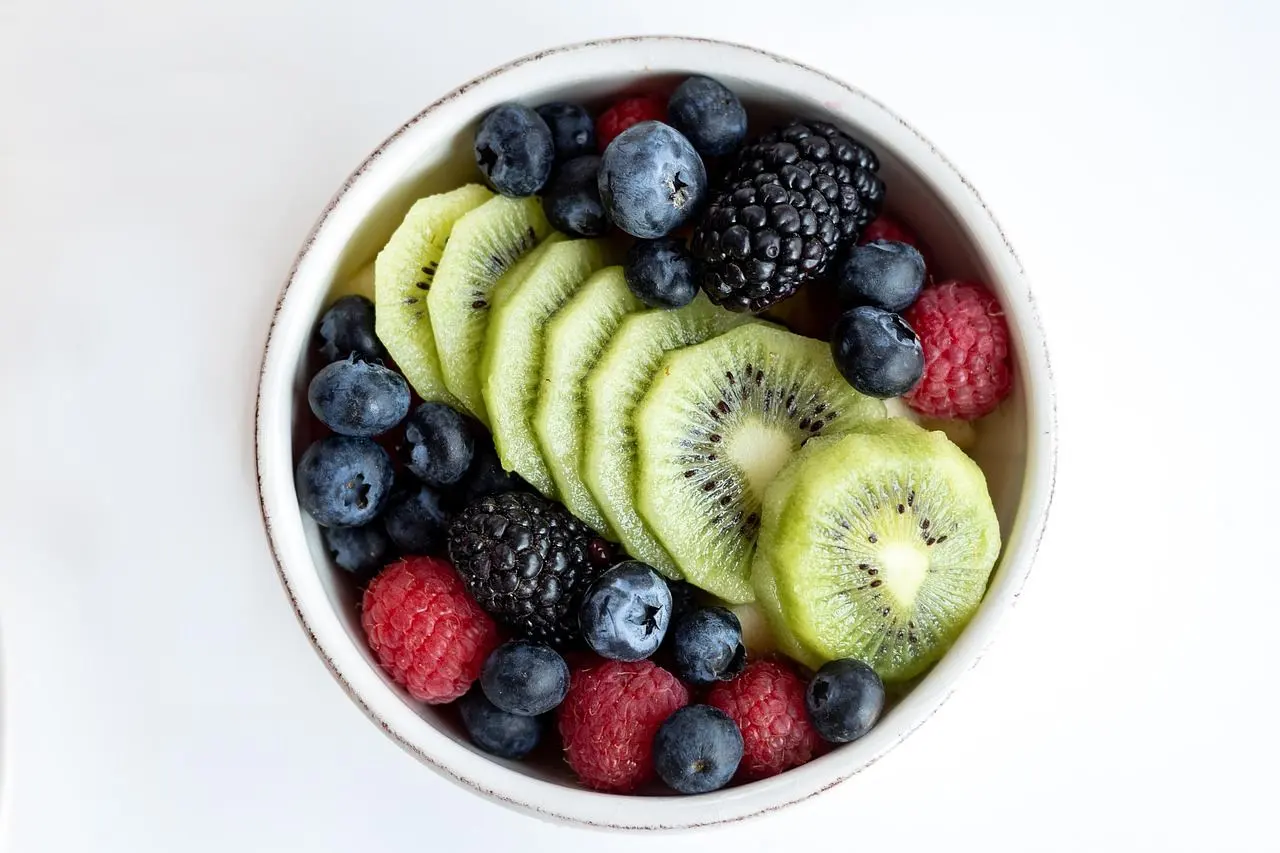
- For the morning, try the healthy breakfast recipes to build a repeatable routine.
- When you cook without meat, the vegetarian dinner recipes show how far a few vegetables and pantry staples can go.
- On cold evenings, our soup recipes teach seasoning and simmering with very little technique.
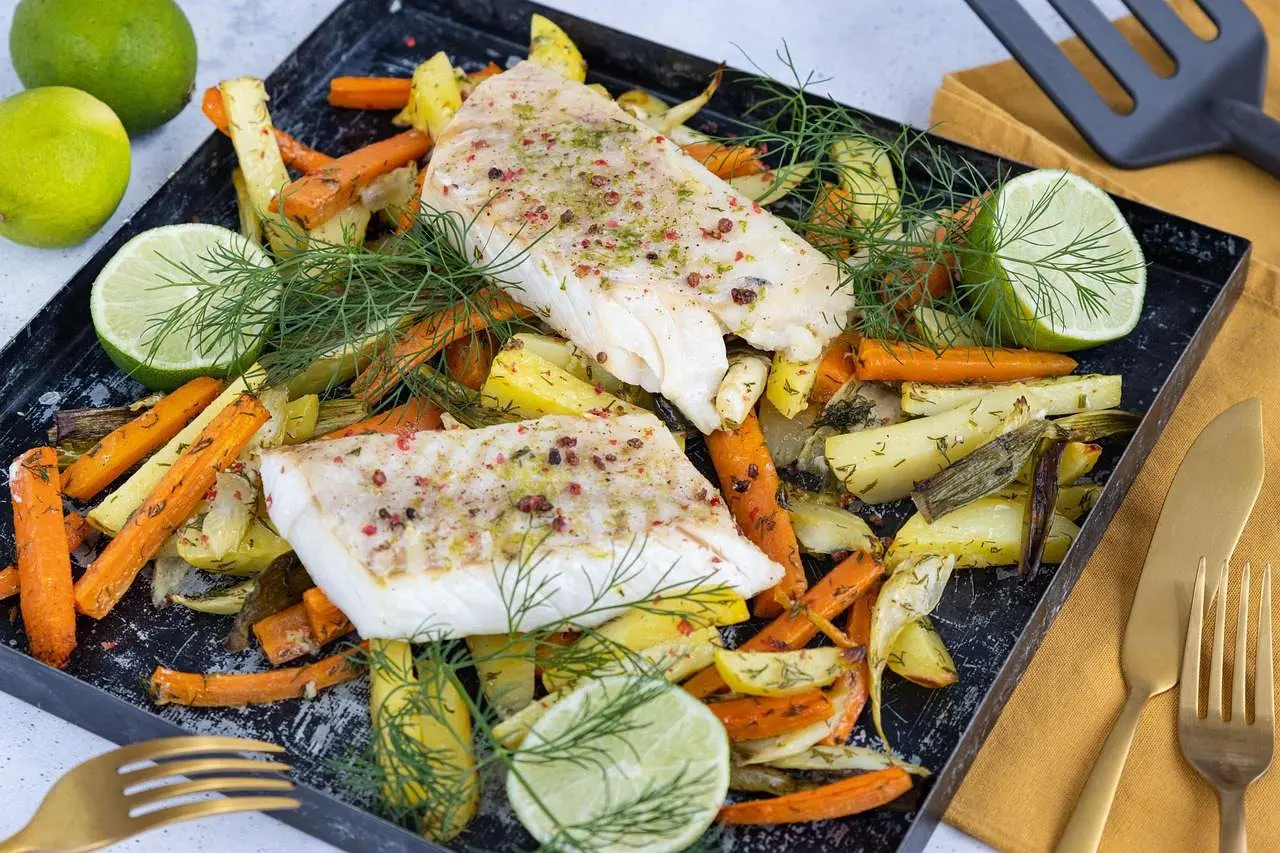
- If you dislike washing up, the sheet pan dinner recipes put everything on one tray.
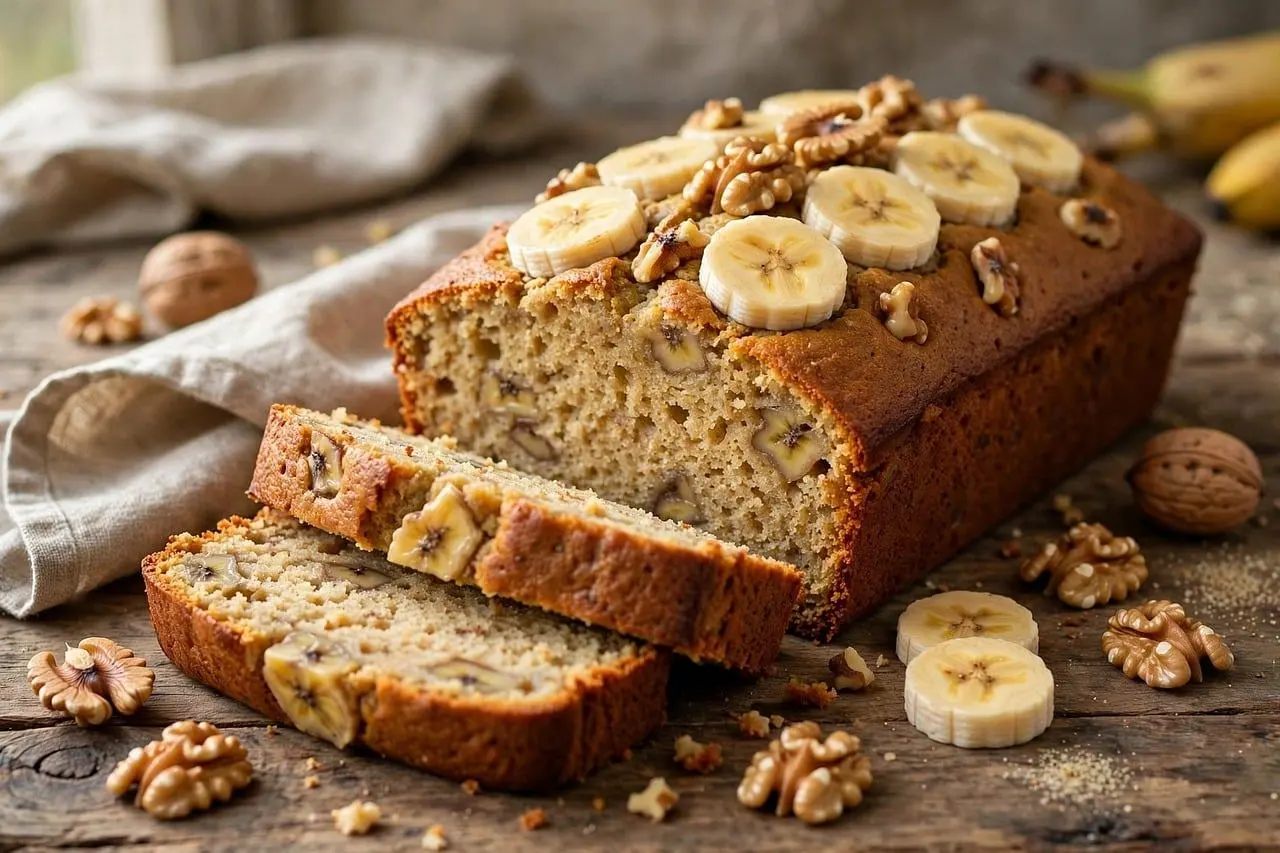
Baking is a good next step once you are comfortable at the stove. Our homemade pizza dough recipe is a gentle introduction to working with dough, and the banana bread recipe is hard to get wrong.
If you want a heart-conscious reference alongside ours, the National Heart, Lung, and Blood Institute lists more than 50 heart-healthy recipes you can filter by main ingredient, recipe type and dietary preference.
Turn a few recipes into a weekly routine
Cooking gets easier when you repeat what works. Pick two or three dishes you enjoyed, cook them again, and change just one thing each time, such as the vegetable or the spice.
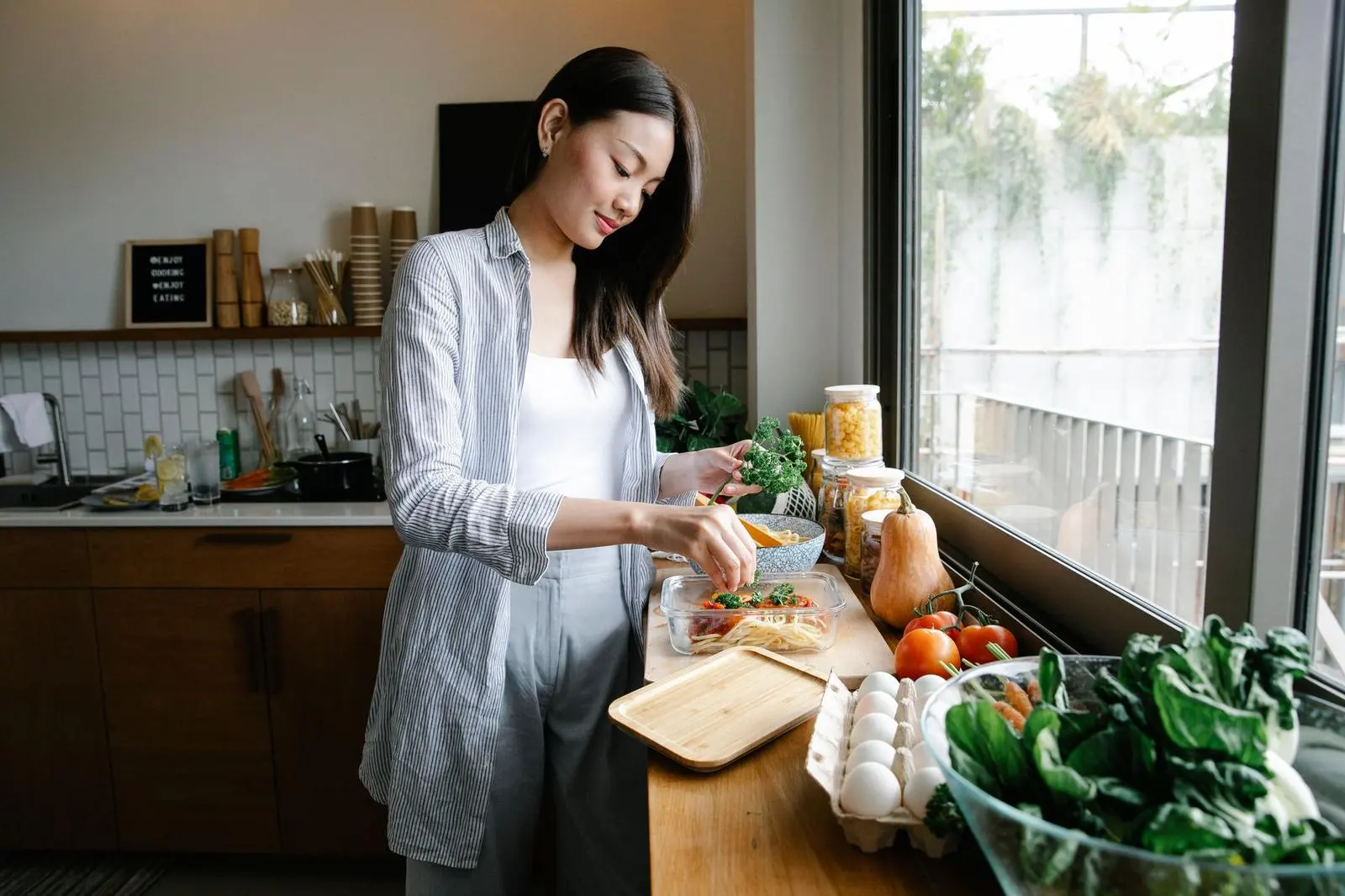
Cooking once and eating twice saves effort on busy days, and our easy meal prep recipes show how to portion and store meals so they stay appetising.
When a recipe confuses you, the problem is usually a technique rather than a skill gap. Our guide to cooking tips for beginners covers habits that help, and cooking methods explained breaks down roasting, sautéing, simmering and more in plain language.
Expect a few flops. A bland sauce or an overcooked vegetable is useful feedback, and you will taste the improvement the next time you cook the dish.
Frequently asked questions
What should a complete beginner cook first?
Show answer
Choose a single-pan dish with forgiving timing, such as a roasted tray of vegetables or a simple pasta. Success early on builds the confidence to try meat, baking and longer recipes.
Do I really need a food thermometer?
Show answer
For meat, poultry and seafood, yes, because appearance is an unreliable guide. Cornell Cooperative Extension advises pairing its chart with a thermometer so cooked foods reach a safe minimum internal temperature.
Why is my chicken still pink when it is cooked?
Show answer
Pink can remain in poultry or pork that has reached a safe temperature, and the USDA committee linked the pink look and rubbery texture to lower finishing temperatures for breast and thigh meat. Trust the thermometer reading rather than the colour.
Can I cook frozen chicken without thawing it?
Show answer
Plan for a longer cook time if you start from frozen, and follow the package directions closely. The USDA committee advised against microwaving raw frozen poultry products unless the package explains how to confirm the right temperature.
Do I have to buy special equipment to follow these recipes?
Show answer
No. A knife, a pan, a pot and a baking sheet are enough for nearly everything here, and any product we suggest is optional.