Not sure whether to roast, sauté or braise tonight? Here are cooking methods explained in plain terms: dry heat browns, moist heat softens tough cuts, and a thermometer tells you when food is safe.
| Item | Value |
|---|---|
| Steaks, chops and roasts (beef, pork, veal, lamb) | 145°F (62.8°C), then rest at least 3 minutes |
| Ground meats | 160°F (71.1°C) |
| All poultry, including stuffing | 165°F (73.9°C) |
| Fish and shellfish | 145°F (62.8°C) |
| Casseroles | 165°F (73.9°C) |
| Leftovers of any type | 165°F (74°C) |
These minimums come from the University of Nebraska–Lincoln food safety page and the University of Maine Extension guide. Figures can change, so check the source before you rely on them.
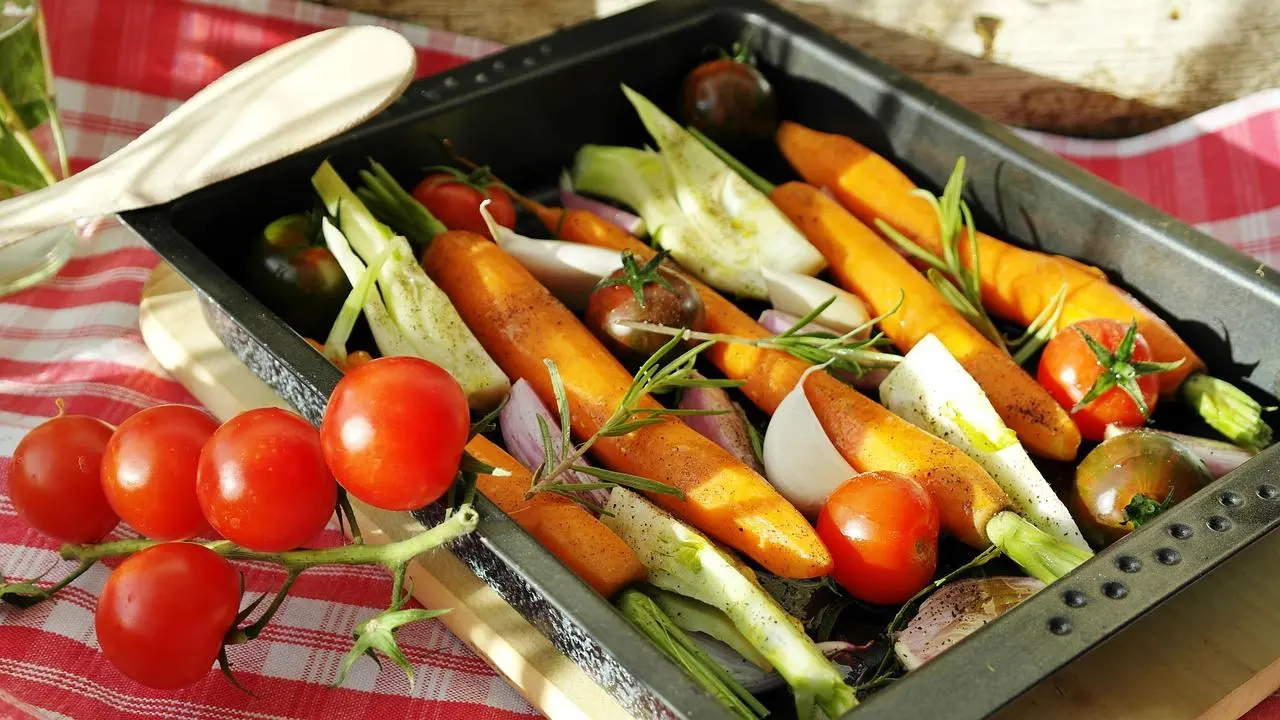
Dry-heat methods: roast, bake, sauté and grill
Dry heat cooks food with hot air, a hot pan or direct flame, and no added liquid. The surface browns, and browning is where much of the flavor comes from. These methods suit tender cuts, vegetables and anything you want crisp at the edges.
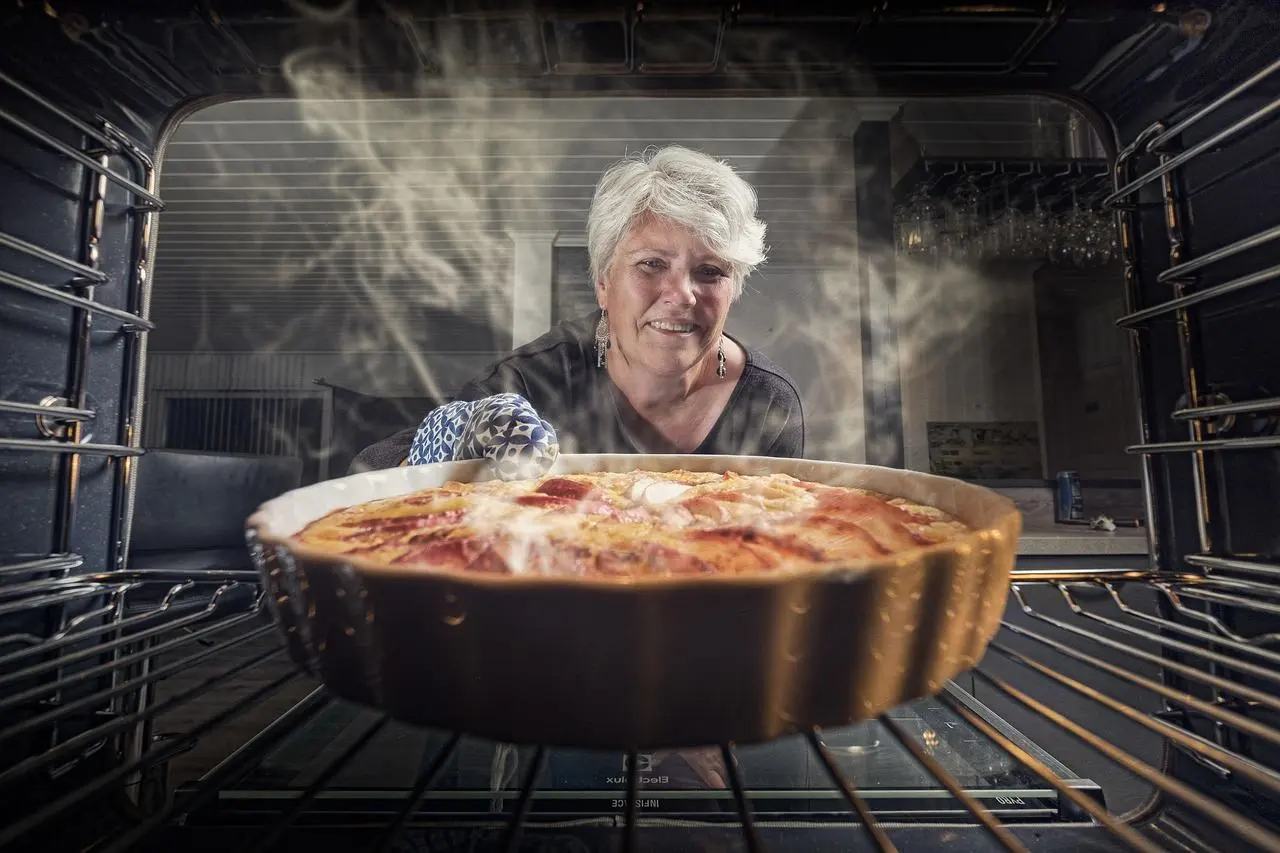
- Roast and bake: the oven surrounds the food with hot air. “Roast” is the usual word for meat and vegetables, while “bake” is used for bread, cakes and casseroles.
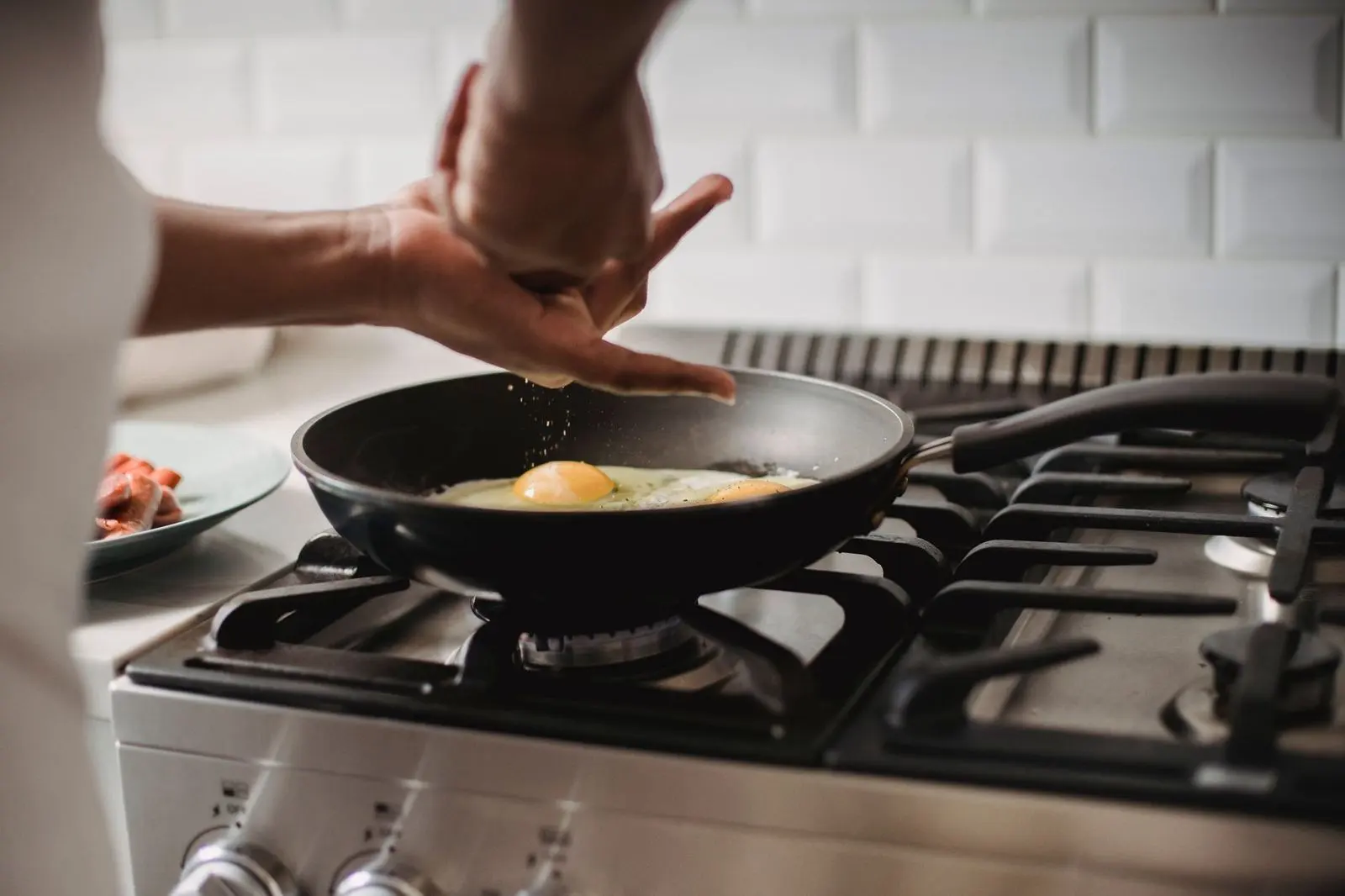
- Sauté: small, even pieces cook quickly in a shallow pan over fairly high heat, and you keep them moving.
- Pan-sear: a larger piece, such as a steak or a fish fillet, sits against the hot pan until it forms a deep crust.
- Grill and broil: direct heat from below (grill) or above (broiler) chars the outside fast.
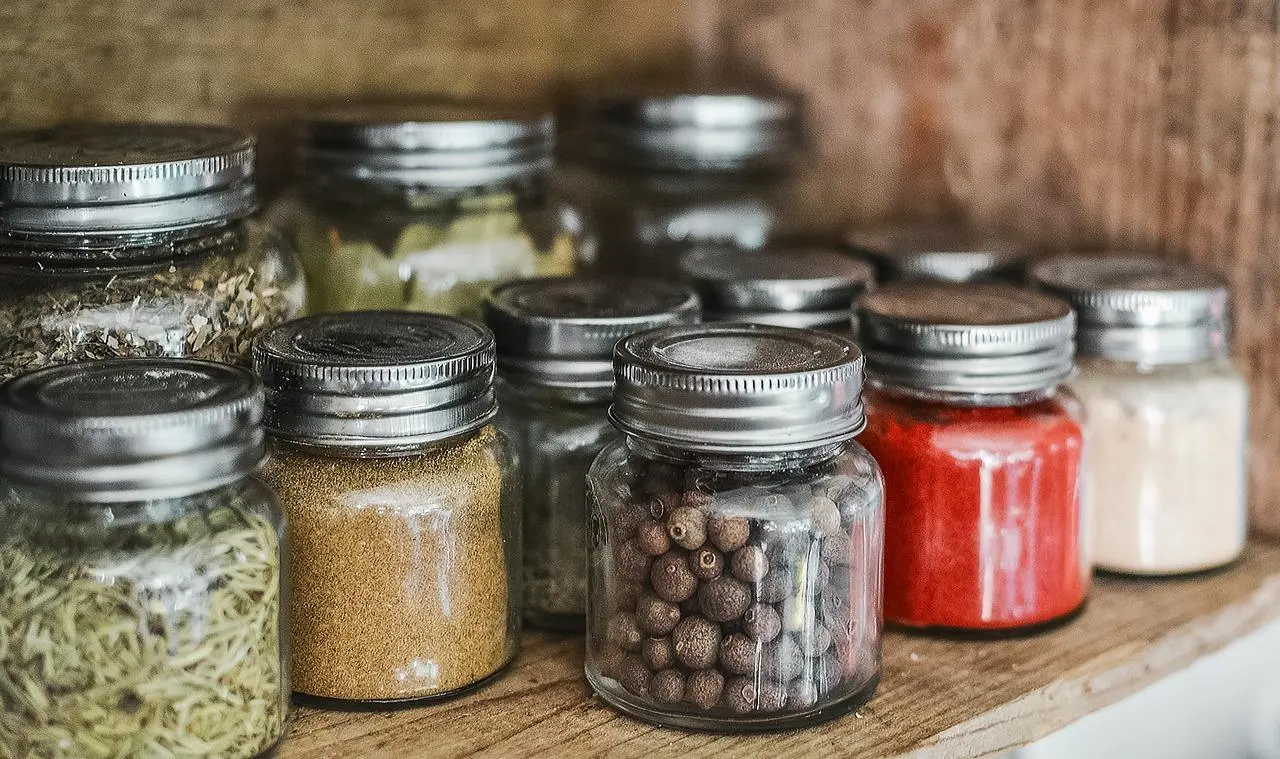
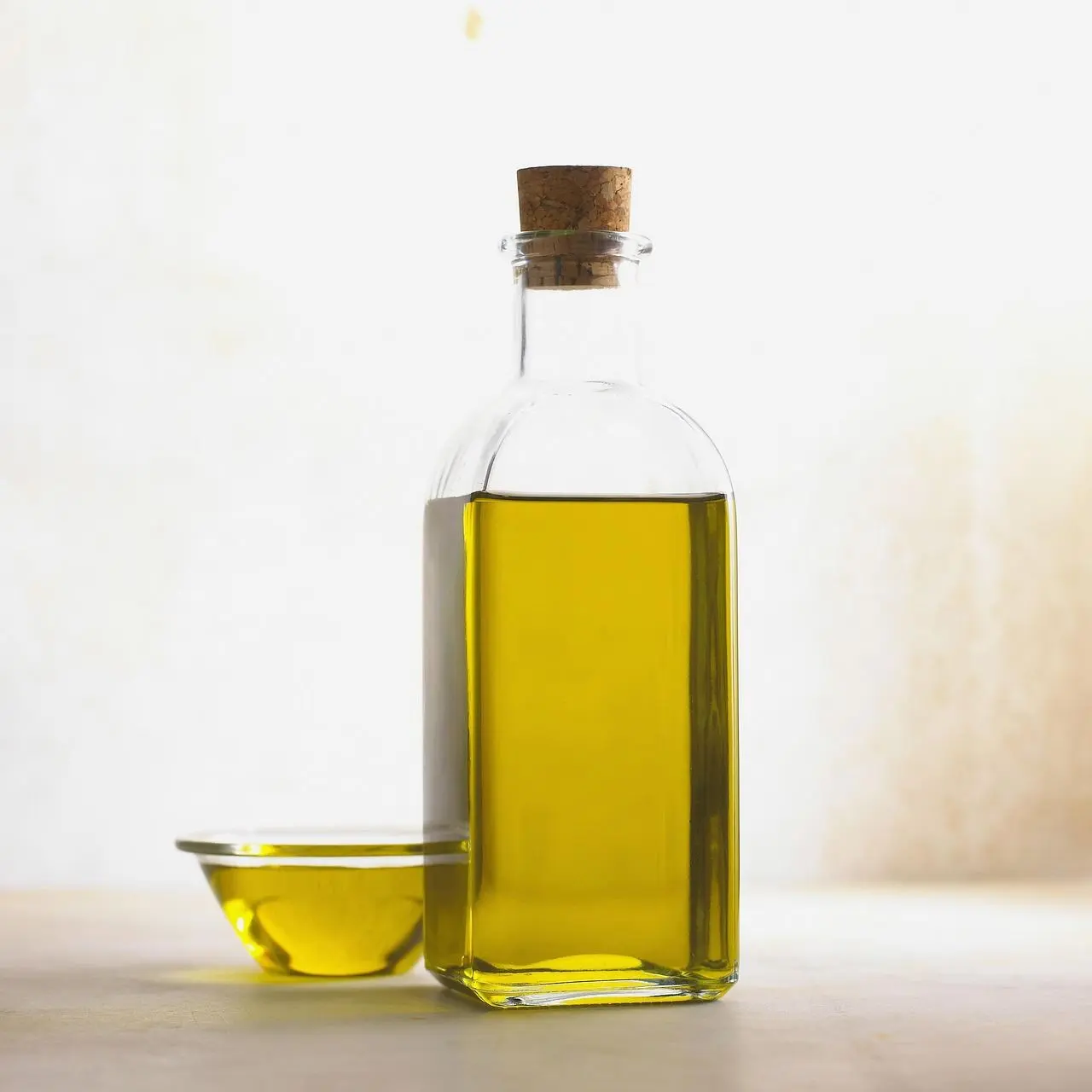
Sautéing is also where seasoning shows up fast, so a herbs and spices guide helps you decide what goes in the pan and when. Pan fat matters too, because an oil that smokes before the food is done tastes bitter; the page on cooking oil smoke points covers which oil fits which job.
Crowding is the usual sauté mistake. Food piled too deep steams in its own moisture instead of browning, so cook in batches if the pan looks full.
Moist-heat methods: braise, simmer, steam and poach
Moist heat cooks food in liquid or steam. It is gentler than dry heat and is the right choice when a cut is tough or when you want something delicate to stay tender. Browning is optional here, though many cooks sear first for extra flavor.
- Braise: brown the food, then cook it slowly in a covered pot with a modest amount of liquid until it turns tender. Tougher, harder-working cuts of meat do well this way.
- Stew: much like braising, but with smaller pieces that are mostly covered by liquid.
- Simmer: keep the liquid at small, lazy bubbles. This is the method for soups, sauces and beans.
- Poach: cook gently in liquid that is hotter than warm but calmer than a simmer, which suits eggs, fish and chicken breasts.
- Steam: food sits above boiling water and cooks in the vapor, so vegetables keep their shape and color.
- Boil: a full rolling boil with plenty of water is the standard for pasta, and our types of pasta page explains which shapes suit which sauces.
Braises are forgiving and reward patience. Because the liquid protects the food from drying out, a pot that sits a little longer than planned usually comes to no harm.
How do you pick the right cooking method?
Start with the food, not the recipe. Tender foods cook fast and take dry heat, while tough foods need time and moisture to loosen up.
- Look at the cut or the vegetable. Lean, tender pieces suit sautéing, grilling or roasting; tough, well-worked pieces suit braising.
- Decide on the texture you want. Crisp or browned points toward dry heat, and soft or silky points toward moist heat.
- Check how much time you have. Sautéing and searing are quick, while roasting and braising can run for hours.
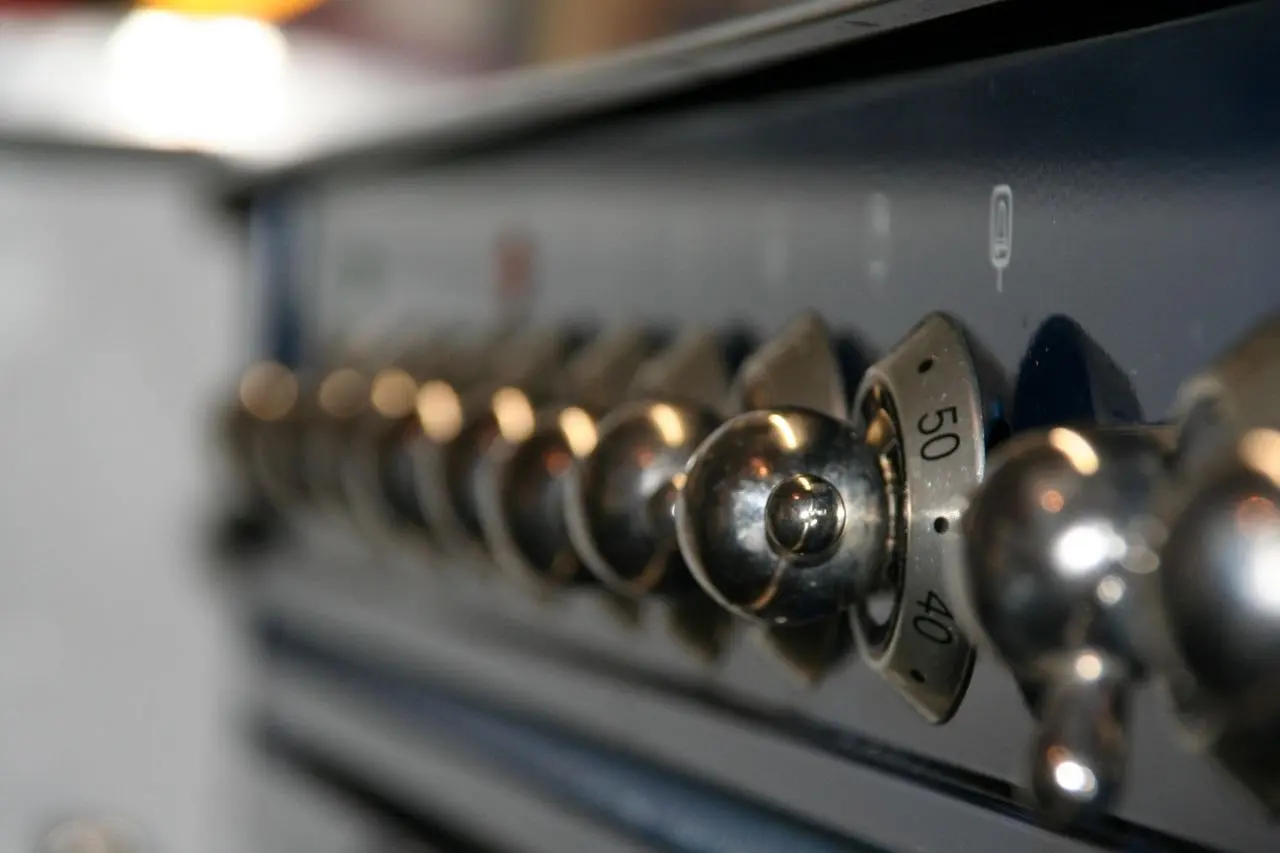
- Look at your equipment. A heavy lidded pot makes braising easy, and a rimmed sheet pan covers most roasting.
If you are still building a kit, the list of kitchen essentials for beginners shows which pans and tools earn their space. Recipes from other countries often use different units, so a cooking measurement conversion chart saves guesswork when you scale a dish or swap pans.
Why does internal temperature matter more than the method?
Whichever method you choose, internal temperature is what tells you the food is safe. The University of Nebraska–Lincoln page, reviewed and updated in 2024, says that using color is not a good way to decide whether meat, poultry or fish has been cooked to a safe temperature.
The Cornell Cooperative Extension page, last updated October 7, 2024, adds that cooked, uncured red meats, including pork, can be pink even after they have reached a safe internal temperature. So a pink center is not proof of undercooking, and a brown one is not proof of safety.
The key numbers, as of the University of Nebraska–Lincoln’s 2024 review, are listed here. See the UNL chart for the full list.
- Steaks, chops and roasts of beef, pork, veal and lamb: 145°F, followed by a rest of at least 3 minutes.
- Ground meats: 160°F.
- All poultry, stuffing included: 165°F.
- Fish and shellfish: 145°F.
- Casseroles: 165°F.
Our page on safe internal cooking temperatures goes further on each category.
Using a thermometer, resting and handling leftovers
The University of Maine Extension guide, dated March 1, 2024, defines internal temperature as the reading at the center of the thickest part of the food. That spot is farthest from the surface, so heat reaches it last. The same guide recommends a properly calibrated instant-read thermometer and says to wash it in hot, soapy water after use.
Rest time counts as part of cooking. Cornell Cooperative Extension explains that during the rest, the meat’s temperature stays steady or keeps rising, which destroys harmful germs, so do not carve straight away.
Leftovers need reheating too: the Maine guide lists 165°F for leftovers of any type. Once food has cooled, the page on how long does food last in the fridge tells you how many days it stays good.
No product is required to follow any of this. A basic thermometer helps, but every method above works with the tools already in most kitchens, and this page carries no affiliate links.
Where to go next
Pick one method and cook it a few times before moving on, because repetition teaches more than reading. Our easy recipes for beginners put each method into practice with simple dishes. For habits that carry across every method, the cooking tips for beginners are a good next read.
Frequently asked questions
What is the difference between roasting and baking?
Show answer
Both use the dry heat of an oven. Cooks tend to say roast for meat and vegetables and bake for batters, doughs and casseroles, though the technique is nearly the same.
When should I braise instead of sauté?
Show answer
Choose braising for tough cuts that need long, slow cooking in liquid. Sautéing is better for small, tender pieces that cook through in minutes.
Can I tell if chicken is done by the juices running clear?
Show answer
Not reliably. The University of Nebraska–Lincoln page says the only way to know meat has reached a safe internal temperature is a food thermometer, and its minimum for all poultry is 165°F.
Why let meat rest after cooking?
Show answer
Resting lets heat spread evenly through the food. According to the Cornell Cooperative Extension page, the temperature stays constant or keeps rising during that time, which helps destroy harmful germs.